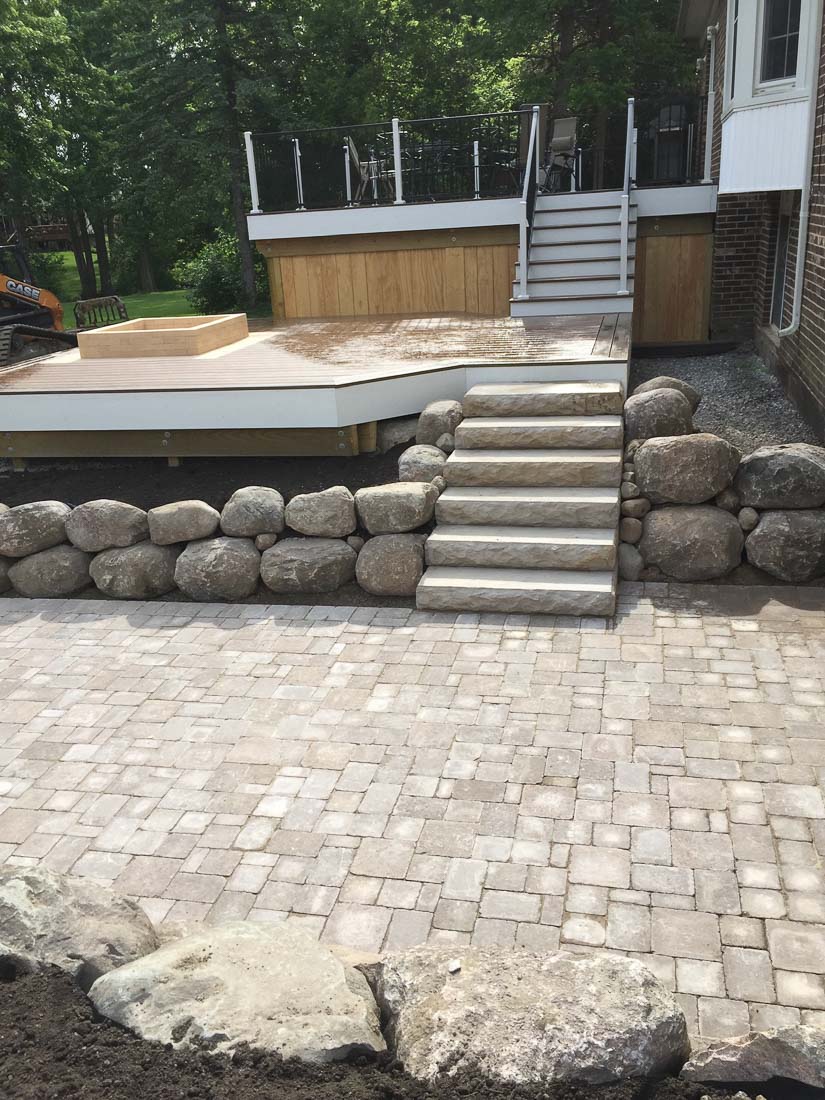
How to Build a Retaining Wall
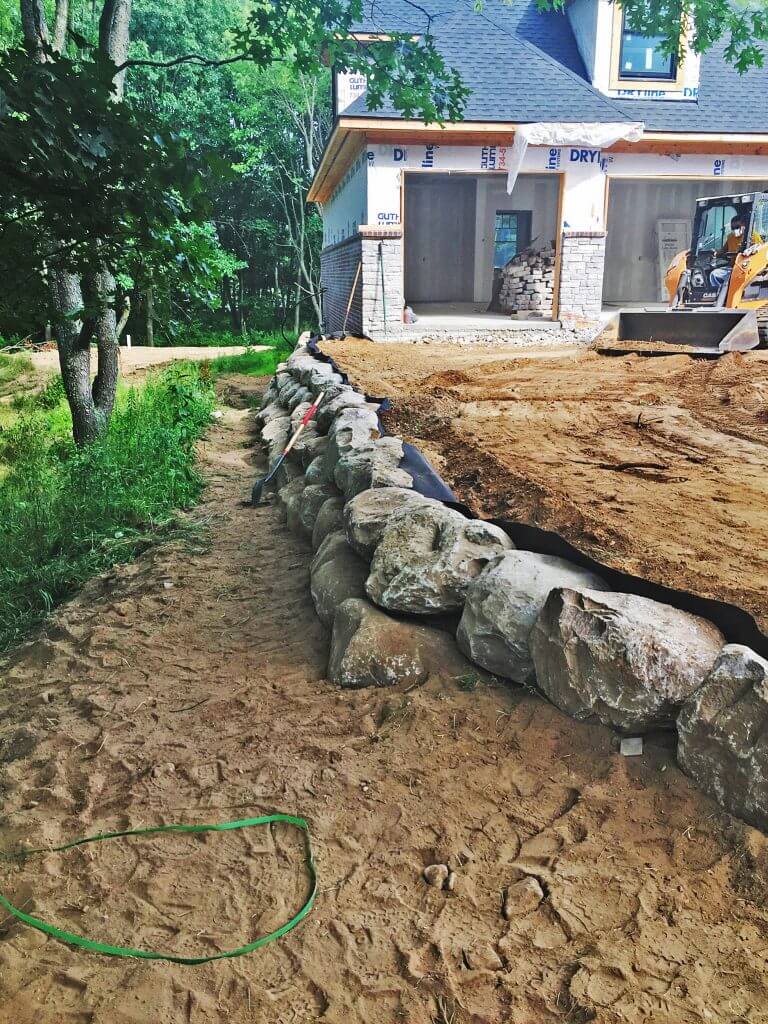
Building a retaining wall is a crucial undertaking that requires careful planning, precise execution, and expert knowledge. Whether you're a homeowner looking to enhance your landscape or a professional seeking to create a sturdy structure, understanding the process is essential. In this comprehensive guide, we will explore the key steps involved in building a retaining wall, providing you with the knowledge and confidence to tackle this project successfully.
Retaining walls is vital in managing slopes, preventing soil erosion, and creating usable spaces in challenging landscapes. They are not only functional but can also enhance the visual appeal of your outdoor space. By following the steps outlined in this guide, you can construct a retaining wall that stands strong and adds value and beauty to your property.
This blog post will delve into various aspects of building a retaining wall. We will cover the importance of proper planning, selecting appropriate materials, the construction process, and essential maintenance practices. Additionally, we will highlight potential challenges and provide practical solutions to help you confidently build your retaining wall.
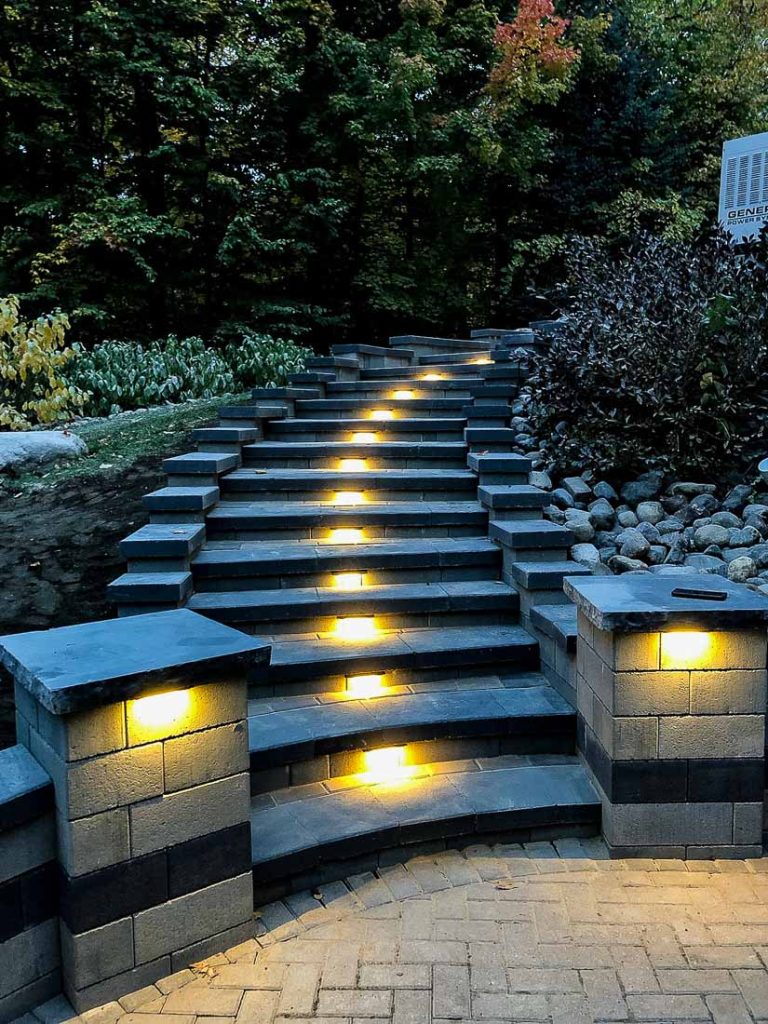
Whether you are a seasoned mason, a skilled paver installer, or someone embarking on their first retaining wall project, this guide is designed to cater to your needs. By the end of this blog post, you will have a solid understanding of the fundamental principles involved in building a retaining wall and be equipped with the necessary insights to transform your vision into a durable and visually appealing reality.
So, let's begin our journey into the world of retaining walls and discover the art of constructing these functional and aesthetically pleasing structures that stand the test of time.
Understanding Retaining Walls
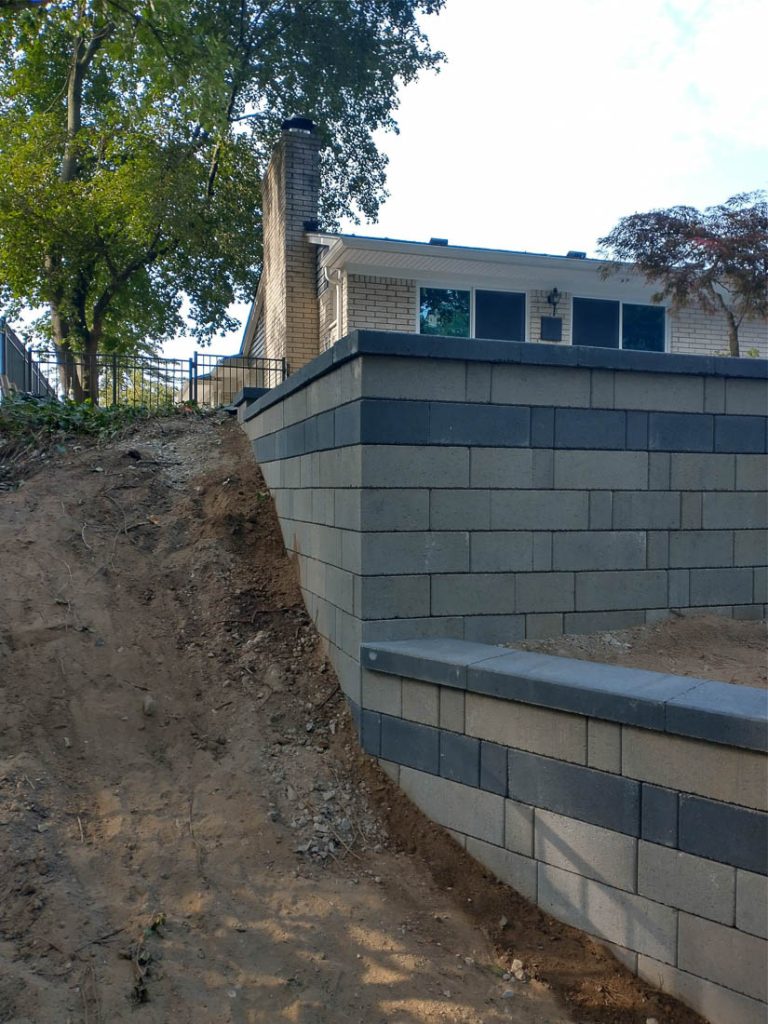
Before embarking on constructing a retaining wall, it is essential to develop a comprehensive understanding of its purpose, types, and the factors involved in planning. In this section, we will delve deeper into the world of retaining walls to equip you with the knowledge needed for a successful project.
- What is a Retaining Wall? A retaining wall is designed to support and hold back soil or other materials, preventing erosion and creating level areas. It provides stability to slopes, prevents landslides, and can transform uneven landscapes into usable spaces.
- Types of Retaining Walls: There are various types of retaining walls, each with its unique construction methods and benefits. Understanding these types will help you determine the most suitable option for your project. Some common types include:
- Gravity Walls: These rely on their weight and mass to resist the pressure of the retained soil.
- Cantilever Walls: Utilize an internal lever arm to distribute the soil pressure and provide stability.
- Segmental Retaining Walls: These are built with interlocking concrete blocks or stones, offering versatility and ease of installation.
Factors to Consider in Planning a Retaining Wall
When planning a retaining wall, several crucial factors must be considered to ensure its effectiveness and longevity. These include:
- Soil Type: The characteristics of the soil, such as its composition, cohesion, and drainage capacity, play a vital role in determining the wall's design and construction requirements.
- Drainage: Proper drainage is crucial to prevent water buildup behind the wall, which can exert excessive pressure and compromise its stability.
- Slope: The steepness of the slope and the angle of the retaining wall must be carefully evaluated to determine the appropriate design and reinforcement needs.
By thoroughly understanding these aspects of retaining walls, you will be better equipped to plan and execute a successful project. In the next section, we will explore the preparation required before commencing the construction of a retaining wall.
Preparing for Construction
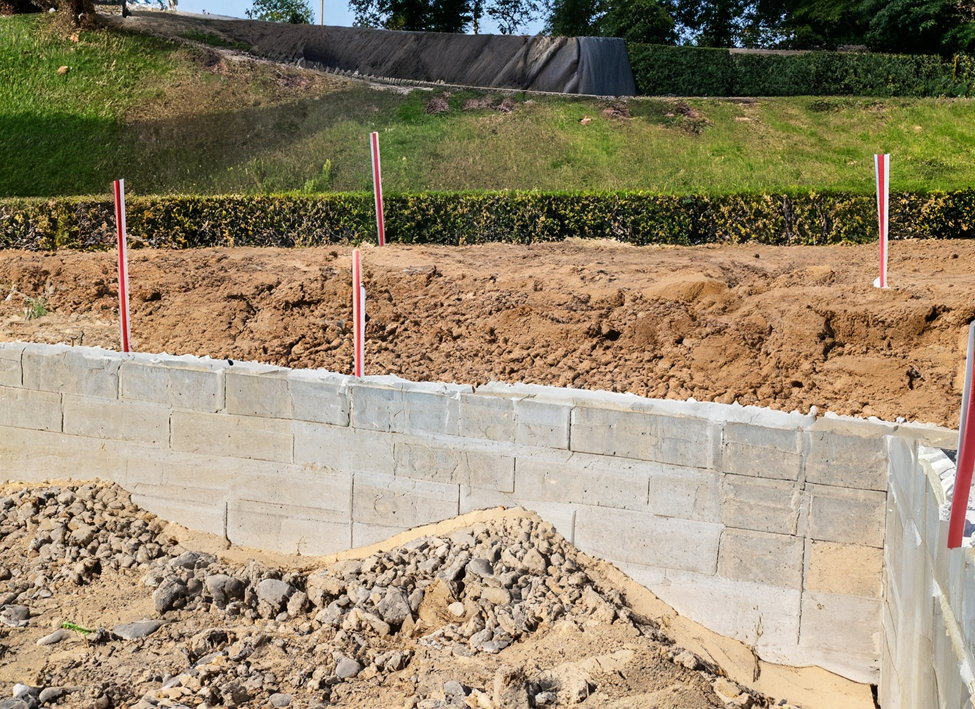
Before diving into the construction process of a retaining wall, thorough preparation is essential to ensure a smooth and successful project. In this section, we will explore the crucial steps involved in preparing for the construction of a retaining wall.
Site Assessment and Determining the Wall's Location Conducting a thorough site assessment is vital to evaluate the characteristics of the retaining wall's construction area. Key considerations include:
Existing Structures: Identify nearby structures, such as buildings, fences, or utilities, to ensure that the retaining wall will not interfere with their stability or functionality.
Vegetation and Obstacles: Assess the presence of trees, shrubs, or other obstacles that may affect the construction process or compromise the wall's integrity.
Slope Analysis: Analyze the slope's angle and stability to determine the appropriate design and reinforcement requirements for the retaining wall.
Taking Accurate Measurements and Conducting a Site that fits the site requirements. Key steps include:
- Height and Length: Measure the desired height and length of the retaining wall accurately, considering any variations in the slope or terrain.
- Leveling: Use a leveling tool to determine the areas that require excavation or fill to create a level base for the retaining wall.
- Staking and Marking: Place stakes and mark the layout of the retaining wall to visualize its position and ensure accurate installation.
Obtaining Necessary Permits and Adhering to Local Before commencing construction, it is crucial to obtain the necessary permits and ensure compliance with local regulations. Key steps include:
- Researching Regulations: Familiarize yourself with local building codes, zoning regulations, and any specific requirements related to retaining walls.
- Permit Application: Submit the required documents and applications to obtain the necessary permits for the construction of the retaining wall.
- Hiring Professionals: In some cases, complex projects may require the assistance of licensed professionals, such as engineers or architects, to ensure compliance with regulations and structural integrity.
By thoroughly preparing for construction, you lay the foundation for a successful and well-executed retaining wall project. In the next section, we will discuss the design process and the selection of suitable materials for constructing a sturdy and visually appealing retaining wall.
Next is Design and Materials, where we will explore the various design considerations and materials available for building a durable and aesthetically pleasing retaining wall.
Design and Materials Selection
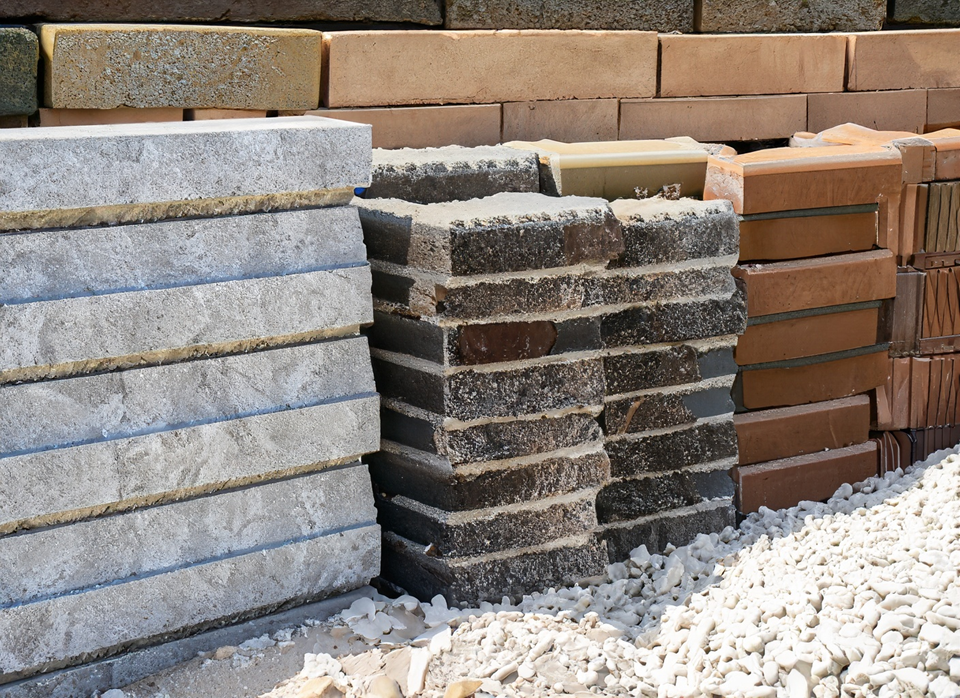
Designing a retaining wall involves careful consideration of both aesthetics and functionality. In this section, we will explore various retaining wall materials and discuss their attributes, enabling you to make informed decisions for your project.
- Concrete Blocks Concrete blocks are a popular choice for retaining walls due to their durability and versatility. Key features include:
- Strength: Concrete blocks provide excellent structural integrity, ensuring long-lasting stability.
- Ease of Installation: They come in various sizes and shapes, making them relatively easy to install and customize.
- Aesthetic Options: Concrete blocks are available in different finishes, colors, and textures, offering design flexibility.
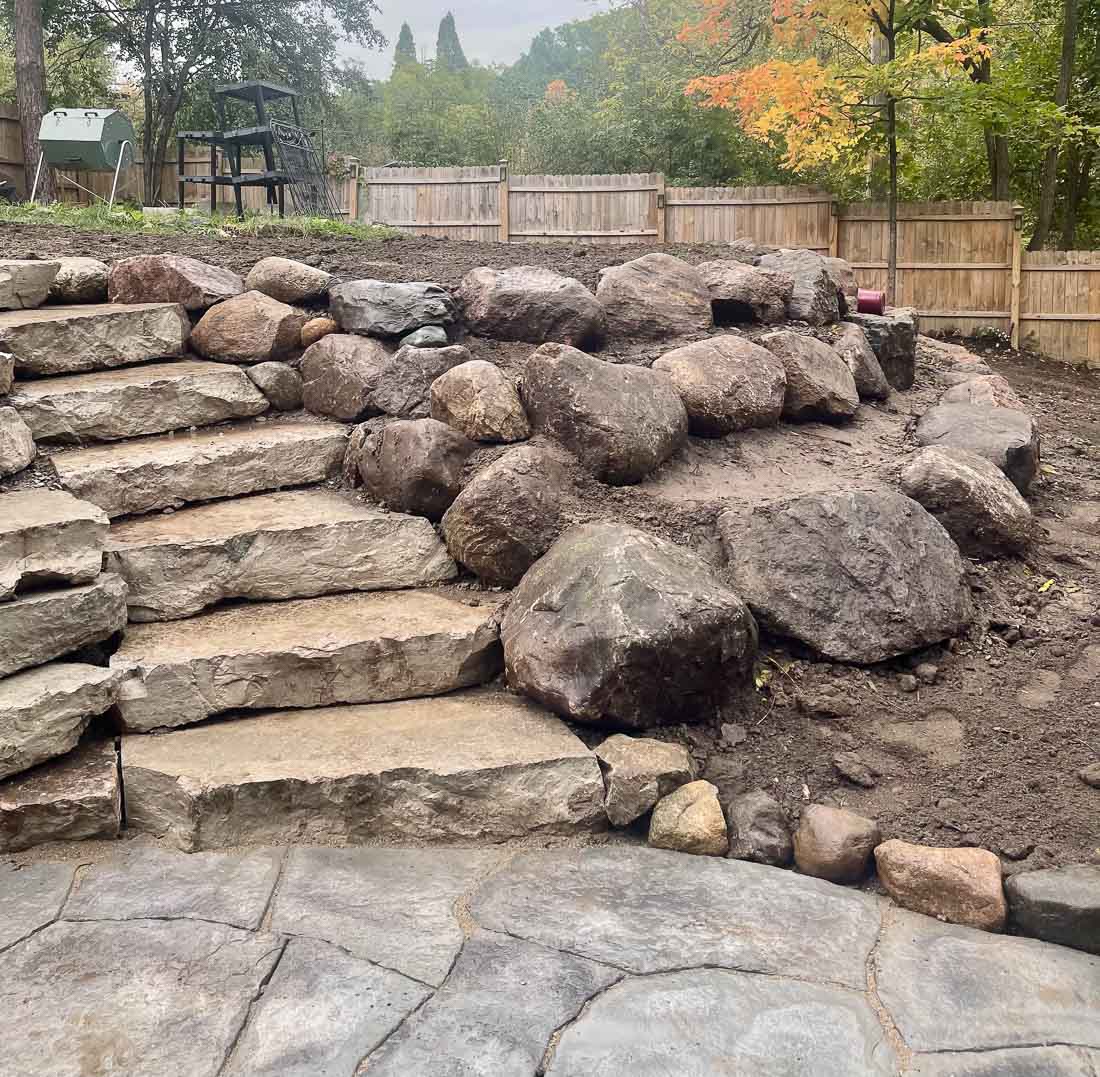
- Natural stone retaining walls blend seamlessly with the surrounding landscape, adding a touch of natural beauty. Consider the following benefits:
- Aesthetics: Natural stone offers a wide range of colors, textures, and shapes, allowing for unique and visually stunning designs.
- Durability: Stone is inherently durable, capable of withstanding the elements and maintaining its appearance over time.
- Environmentally Friendly: Using locally sourced natural stone reduces the carbon footprint associated with transportation.
- Timber Retaining: walls provide a rustic and warm aesthetic while offering several advantages:
- Cost-Effectiveness: Timber materials are often more affordable compared to other options, making them suitable for budget-conscious projects.
- Ease of Construction: Timber is relatively lightweight, making it easier to handle and install.
- Natural Appeal: The organic nature of timber complements natural landscapes and can be easily incorporated into various design styles.
- Other Materials Beyond concrete blocks, natural stone, and timber, there are several alternative materials available, each with its unique characteristics:
- Gabion Baskets: Wire mesh baskets filled with rocks or gravel provide a modern and eco-friendly option, allowing for efficient drainage.
- Recycled Plastic Blocks: Environmentally conscious options made from recycled plastics offer durability and sustainability.
- Modular Systems: Prefabricated modular systems provide ease of installation and design versatility, with various options to choose from.
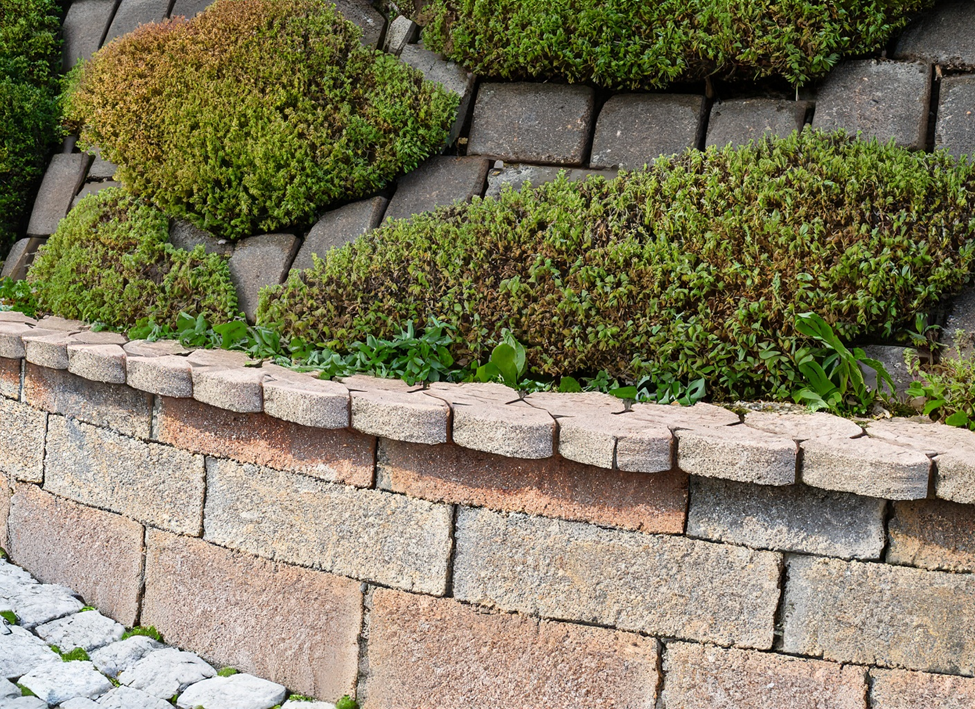
When selecting the materials for your retaining wall, consider the site conditions, desired aesthetics, budget, and maintenance requirements. By choosing the right materials, you can create a retaining wall that serves its purpose and enhances the overall beauty of your landscape.
The next section will guide you through the step-by-step construction process, from site clearing to finishing touches.
Construction Process
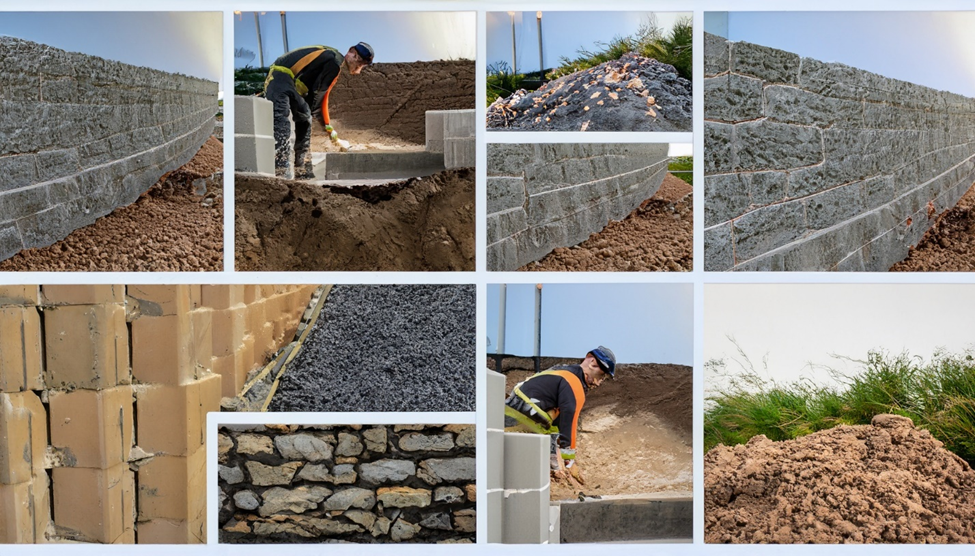
Building a retaining wall requires meticulous execution and attention to detail. This section will guide you through the step-by-step construction process, enabling you to create a sturdy and reliable retaining wall.
- Site Preparation Before starting the construction process, it is crucial to prepare the site adequately. Follow these essential steps:
- Clear Vegetation: Remove any vegetation, rocks, or debris from the designated area to create a clean and level workspace.
- Excavate: Excavate the soil to the required depth, considering the dimensions and design specifications of the retaining wall.
- Base Course Installation The base course forms the foundation of the retaining wall, providing stability and load-bearing capacity. Follow these steps:
- Leveling and Grading: Level the excavated area and ensure proper grading to promote water drainage away from the wall.
- Compact the Soil: Use a compactor to achieve proper compaction of the soil, creating a firm and stable base for the retaining wall.
- Install the Base Material: Lay a layer of crushed stone or gravel as the base material, ensuring uniform thickness and proper compaction.
- Reinforcement and Anchoring (if applicable) Depending on the height and specific requirements of your retaining wall, reinforcement may be necessary. Consider the following:
- Steel Bars: Install vertical steel bars within the wall structure to reinforce and strengthen it.
- Geogrids: Utilize geogrids, which are high-strength mesh materials, to provide additional stability and prevent soil movement.
- Building the Retaining Wall With the site prepared and the base course in place, it's time to start building the retaining wall. Follow these steps:
- Lay the First Course: Start by placing the first row of blocks or stones, ensuring levelness and alignment.
- Continue Layering: Build subsequent layers, staggering the blocks or stones for stability and interlocking them securely.
- Check for Levelness: Regularly use a level to ensure the wall remains level and straight as you progress.
- Use Adhesive or Mortar (if applicable): Depending on the material, apply adhesive or mortar between the blocks or stones for added strength and stability.
- Backfilling and Compaction Once the retaining wall is built, it's time to backfill and compact the soil behind it. Follow these guidelines:
- Backfill Gradually: Backfill the space behind the retaining wall with suitable soil, layer by layer, and compact each layer thoroughly.
- Use a Compactor: Utilize a compactor to achieve proper compaction, ensuring the soil is dense and stable.
- Provide Proper Drainage: Incorporate drainage pipes or gravel behind the wall to facilitate proper water drainage.
- Finishing To complete the construction process and add the final touches to your retaining wall, consider these steps:
- Install Coping or Caps: Place coping or caps on the top layer of the wall, providing a finished look and additional protection.
- Landscaping and Aesthetics: Enhance the surrounding landscape with plants, mulch, or decorative elements to complement the retaining wall's aesthetic.
By following these construction steps diligently, you can create a durable and visually appealing retaining wall that will withstand the test of time.
Maintenance and Longevity
Regular maintenance is essential to ensure the longevity and optimal performance of your retaining wall. In this section, we will discuss the key maintenance practices and provide tips to preserve the durability of your retaining wall.
- Regular Inspection Perform routine inspections of your retaining wall to identify any signs of damage or potential issues. Look for:
- Cracks or Shifts: Check for cracks or shifts in the wall structure, which may indicate underlying problems.
- Drainage Issues: Assess the effectiveness of the drainage system, ensuring proper water flow and preventing water buildup behind the wall.
- Vegetation Growth: Monitor for the growth of weeds, moss, or other vegetation, which can weaken the wall's structure.
- Addressing Common Issues:Timely intervention can prevent minor issues from turning into major problems. Here's how to address common retaining wall issues:
- Soil Erosion: Address soil erosion by reinforcing the slope and implementing erosion control measures such as retaining wall stabilization mats or blankets.
- Bulging or Leaning: If you notice bulging or leaning in the wall, consult a professional to assess the structural integrity and determine the necessary corrective actions.
- Water Seepage: If water seepage occurs, inspect the drainage system and make necessary repairs or improvements to redirect water away from the wall.
- Cleaning and Maintenance: Regular cleaning helps maintain your retaining wall's visual appeal and integrity. Consider these maintenance practices:
- Surface Cleaning: Remove dirt, debris, and vegetation from the wall's surface using a brush, water, or mild detergent.
- Weed Control: Keep the area surrounding the retaining wall free from weeds and unwanted vegetation, as they can cause damage over time.
- Stain Removal: Promptly address any stains or discoloration on the wall to prevent long-term damage.
- Landscaping Considerations: Integrating landscaping elements around your retaining wall can enhance its visual appeal and functionality. Consider the following:
- Plant Selection: Choose plants with non-invasive root systems that won't compromise the wall's stability. opt for low-maintenance plants suitable for the local climate and conditions.
- Mulching: Apply mulch around the base of the retaining wall to help retain moisture, prevent weed growth, and protect the soil.
- Professional Maintenance: For complex issues or extensive maintenance needs, it is advisable to seek professional assistance. Professional maintenance services can provide expertise, specialized equipment, and comprehensive solutions to ensure the optimal condition of your retaining wall.
By implementing regular maintenance practices and addressing issues promptly, you can extend the lifespan of your retaining wall and preserve its structural integrity and aesthetic appeal.
In the next section, Section VII: Safety Considerations, we will discuss important safety precautions to prioritize during the construction and maintenance of your retaining wall.
Safety Considerations
Safety should be a top priority when constructing and maintaining a retaining wall. In this section, we will discuss important safety considerations to ensure the well-being of both the workers and the property owners.
- Personal Protective Equipment (PPE) Wearing appropriate personal protective equipment (PPE) is essential to minimize the risk of accidents and injuries. Follow these guidelines:
- Hard Hat: Wear a hard hat to protect your head from falling objects or potential impacts.
- Safety Goggles: Wear safety goggles to protect your eyes from dust, debris, and potential hazards.
- Gloves: Use gloves to shield your hands from cuts, abrasions, and chemicals during construction or maintenance tasks.
- Reflective Vest: If working near roadways or in low-light conditions, wear a reflective vest to increase visibility.
- Safe Work Practices: Adhering to safe work practices is crucial to prevent accidents and promote a secure work environment. Consider the following practices:
- Proper Lifting Techniques: Lift heavy objects with your legs and avoid putting excessive strain on your back.
- Stable Footing: Maintain stable footing on the construction site, especially on uneven or slippery surfaces.
- Tools and Equipment: Use tools and equipment correctly, following manufacturer guidelines and safety instructions.
- Communication: Maintain clear communication with other workers on the construction site to avoid accidents or misunderstandings.
- Structural: Ensuring the structural stability of the retaining wall is crucial for long-term safety. Follow these considerations:
- Professional Assistance: For complex or large-scale projects, consult with experienced professionals to ensure proper design and construction techniques.
- Proper Reinforcement: Use appropriate reinforcement methods, such as steel bars or geogrids, to enhance the strength and stability of the wall.
- Adequate Drainage: Implement proper drainage systems to prevent water buildup behind the wall, which can compromise its integrity.
- Site Security: Maintaining site security is essential for the safety of workers and the public. Consider these measures:
- Fencing: Install temporary fencing or barricades around the construction site to prevent unauthorized access.
- Signage: Display clear signage indicating construction hazards and safety precautions to alert individuals in the vicinity.
- Construction Area Awareness: Maintain awareness of the construction area and ensure workers and visitors are aware of potential hazards.
- Regular Inspections: Regular inspections are crucial for identifying potential safety hazards and addressing them promptly. Consider the following inspections:
- Visual Inspections: Conduct routine visual inspections of the retaining wall, looking for cracks, signs of leaning, or other signs of damage.
- Drainage System Checks: Regularly inspect the drainage systems to ensure proper functioning and prevent water-related issues.
- Vegetation Control: Monitor and address vegetation growth near the retaining wall to prevent root intrusion and potential destabilization.
Prioritizing safety considerations throughout the construction and maintenance of your retaining wall is essential to prevent accidents, ensure the well-being of all involved, and maintain a secure environment.
In conclusion, prioritizing safety while constructing and maintaining a retaining wall is paramount. You can create a safer environment by adhering to proper safety protocols, utilizing personal protective equipment, ensuring structural stability, securing the construction site, and conducting regular inspections. Remember, safety should never be compromised, as it is crucial for the success and longevity of your retaining wall project.
By following the comprehensive guide we have provided in this blog post, from understanding retaining walls to preparing for construction, selecting materials, and considering maintenance and safety, you are equipped with the knowledge and insights to embark on your retaining wall project confidently.
Conclusion
In this comprehensive guide, we have explored building a retaining wall from start to finish. We began by understanding the purpose and types of retaining walls, followed by the crucial steps of site assessment, accurate measurements, and obtaining necessary permits. We then delved into the design and materials selection process, discussing various options to suit your preferences and project requirements. The construction process was covered, emphasizing the importance of site preparation, proper base course installation, reinforcement (if needed), and backfilling. We also highlighted the significance of regular maintenance and addressed safety considerations throughout the construction and maintenance phases. Lastly, we explored ways to enhance the retaining wall with functional additions, landscaping features, artistic elements, and customized materials.
Now that you have a solid understanding of building a retaining wall, you are well-equipped to embark on your own project. Remember to prioritize safety, adhere to local regulations, and seek professional assistance. Regular maintenance will ensure the longevity and optimal performance of your retaining wall.
If you're looking for further inspiration and information, we invite you to explore additional articles on this topic. If you're seeking design ideas, our article Hardscaping Ideas will inspire you to help you create a unique and visually appealing retaining wall. For DIY construction, "The Dos and Don'ts of Building a Retaining Wall" offers valuable insights and guidelines for a successful project.
We hope this guide has empowered you to embark on your retaining wall journey confidently. May your retaining wall serve its functional purpose and become a beautiful and enduring addition to your outdoor space!
To explore exclusive specials and offers for hardscape work, we invite you to visit our Google My Business or Bing My Business profiles. Discover the exciting promotions we have in store for your next project and make the most of your hardscaping experience.