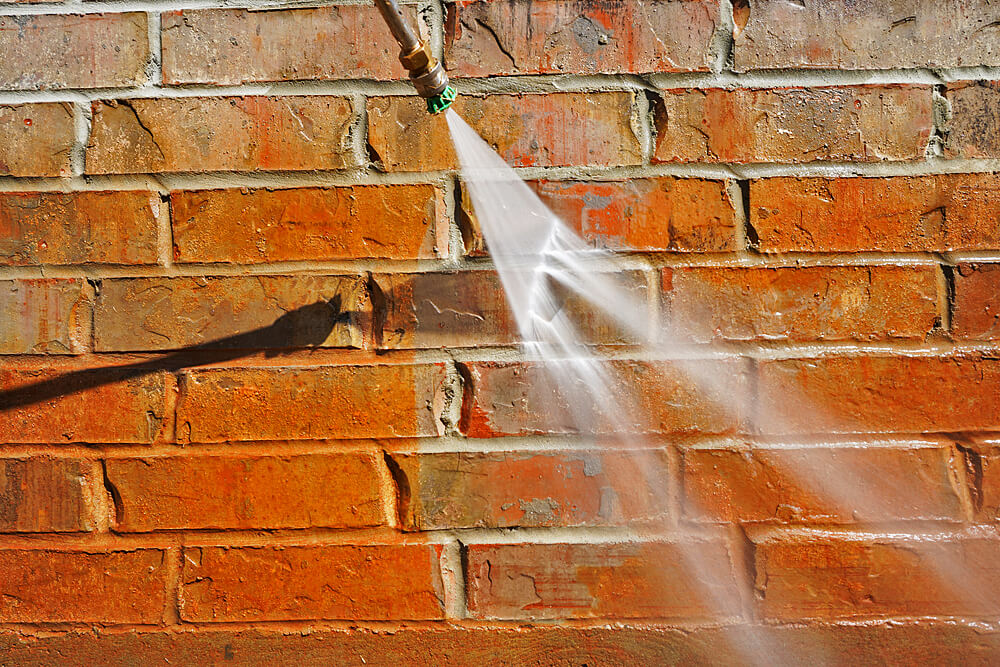
How to keep your bricks looking new!
If you want to restore the beauty of your bricks, it's important to give them a good cleaning. Here's how to do it:
- Start with a dry brush
Use a dry brush or broom to sweep away any loose dirt or debris from the surface of the bricks. This will help to loosen any dirt that is stuck to the bricks.
- Mix a cleaning solution
There are a few different options for cleaning brick, including a mixture of water and white vinegar, or a commercial brick cleaner. Follow the instructions on the cleaner or mix a solution of 1 part water with 1 part vinegar.
- Apply the cleaning solution
Apply the cleaning solution: Use a soft bristle brush or a cloth, apply the cleaning solution to the bricks. Be sure to work in small sections and scrub the solution into the bricks using a circular motion.
- Rinse the bricks
Once you've applied the cleaning solution and scrubbed the bricks, it's time to rinse them off. Use a hose or a bucket of water to remove any remaining dirt or cleaning solution.
- Allow the bricks to dry
After rinsing the bricks, allow them to dry completely before applying any sealant or finishing touches.
Cleaning your bricks can be a bit of a labor-intensive process, but the end result is worth it. With clean, beautifully restored bricks, your home will have a fresh, new look. Cleaning your bricks will also give you a chance to inspect them and determine if you need any brick repairs. You will also have a really good chance to inspect all of the mortar and determine if you need any brick-mortar repair. Just be sure to follow these steps and use the right tools and cleaning products to get the job done safely and effectively.
How do you remove plaster and restore brickwork?
Removing plaster and restoring brickwork can be a time-consuming and labor-intensive process, but it can be done by following these steps:
- Remove any loose plaster using a hammer and chisel. Be sure to work carefully to avoid damaging the underlying brickwork.
- Use a wire brush to remove any remaining plaster or paint from the bricks. This can be done by hand or with a power tool such as an angle grinder.
- Clean the bricks thoroughly with a solution of water and muriatic acid. The acid will help to remove any stains or discoloration on the bricks. Be sure to wear protective gear, such as gloves and goggles, and work in a well-ventilated area.
- Allow the bricks to dry completely before applying a sealer to protect them from water damage and stains.
- If there are missing bricks or damaged bricks, you will need to replace them to restore the brickwork.
- Once the bricks are cleaned and repaired, the brickwork can be repointed with a matching mortar.
It's important to note that restoring brickwork can be a complex and technical process. Because so, it is recommended to seek the help of a professional mason or contractor to ensure that the work is done correctly and safely. It's also important to note that depending on the condition of the bricks, removing the plaster can reveal hidden damage or issues that require additional repairs.
What is a masonry contractor?
A masonry contractor is a professional who specializes in the construction, repair, and maintenance of masonry structures such as brick, stone, and concrete buildings, walls, chimneys, patios, walkways, and other structures. A masonry contractor typically has the skills and experience to work with a variety of masonry materials and techniques, including bricklaying, stonemasonry, and concrete work. They may also have the skills to install and repair masonry-related systems such as fireplaces, chimneys, and retaining walls.
A masonry contractor is responsible for interpreting construction drawings and specifications. Additionally, they determine the materials and methods needed to construct or repair a masonry structure. They also oversee the work of masonry laborers and apprentices. They also may be responsible for obtaining permits and inspections and ensuring that the work meets local building codes and standards.
In conclusion, masonry contractors are licensed and certified professionals who have undergone training and apprenticeship programs and have passed competency exams. It's important to hire a licensed contractor to ensure that the work is done in a professional and safe manner. This will also help to protect yourself from liability and potential legal issues.